Medicines and Healthcare products Regulatory Agency
Regulatory Agency
Featured
The MHRA has approved the combined antibiotic cefepime/enmetazobactam (Exblifep 2 g/0.5 g powder for concentrate for solution for infusion)

Following MHRA approval of a clinical trial, early breast cancer patients on endocrine-based therapy can benefit from a study with camizestrant.

MHRA warns of unsafe counterfeit anti-choking devices
Press release
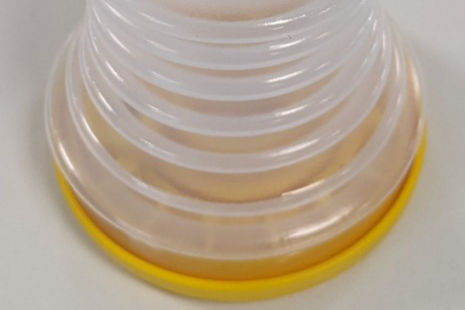
Thousands of counterfeit or unbranded copies of LifeVac anti-choking devices are being sold across the UK. The public is reminded to check their product carefully against the images in MHRA guidance to identify whether it is a counterfeit.
A company director and his pharmaceutical manufacturing company were sentenced in court today after pleading guilty to two charges of falsifying data that supported the shelf life of a medicine, adversely affecting its quality in order to obtain a licence to sell the medicine in the UK.

The UK suspension of the MAGEC system (modified MAGEC X system only) has been lifted as of 23 February 2024

The Medicines and Healthcare products Regulatory Agency (MHRA) has today (11 March 2024) approved the medicine etrasimod (Velsipity) to treat people with moderately to severely active ulcerative colitis.

Latest from the Medicines and Healthcare products Regulatory Agency
What we do
The Medicines and Healthcare products Regulatory Agency regulates medicines, medical devices and blood components for transfusion in the UK.
MHRA is an executive agency, sponsored by the Department of Health and Social Care.
Follow us
Documents
Our management










Contact MHRA
General enquiries
10 South Colonnade
London
E14 4PU
United Kingdom
Telephone
020 3080 6000
Fax
020 3118 9803
Office hours are Monday to Friday, 9am to 5pm.
Media enquiries
MHRA
10 South Colonnade
London
E14 4PU
United Kingdom
During office hours:
020 3080 7651 (08:30 - 17:00)
Out of office hours:
07770 446 189 (17:00 - 08:30)
Office hours are Monday to Friday, 8:30am to 5pm. For real-time updates including the latest press releases and news statements, see our Twitter channel at https://www.twitter.com/mhragovuk.
Make an FOI request
- Read about the Freedom of Information (FOI) Act and how to make a request.
- Check our previous releases to see if we’ve already answered your question.
- Make a new request by contacting us using the details below.
Freedom of Information
10 South Colonnade
London
E14 4PU
United Kingdom